Landscape Maintenance Tips to Extend the Life of Your Plants
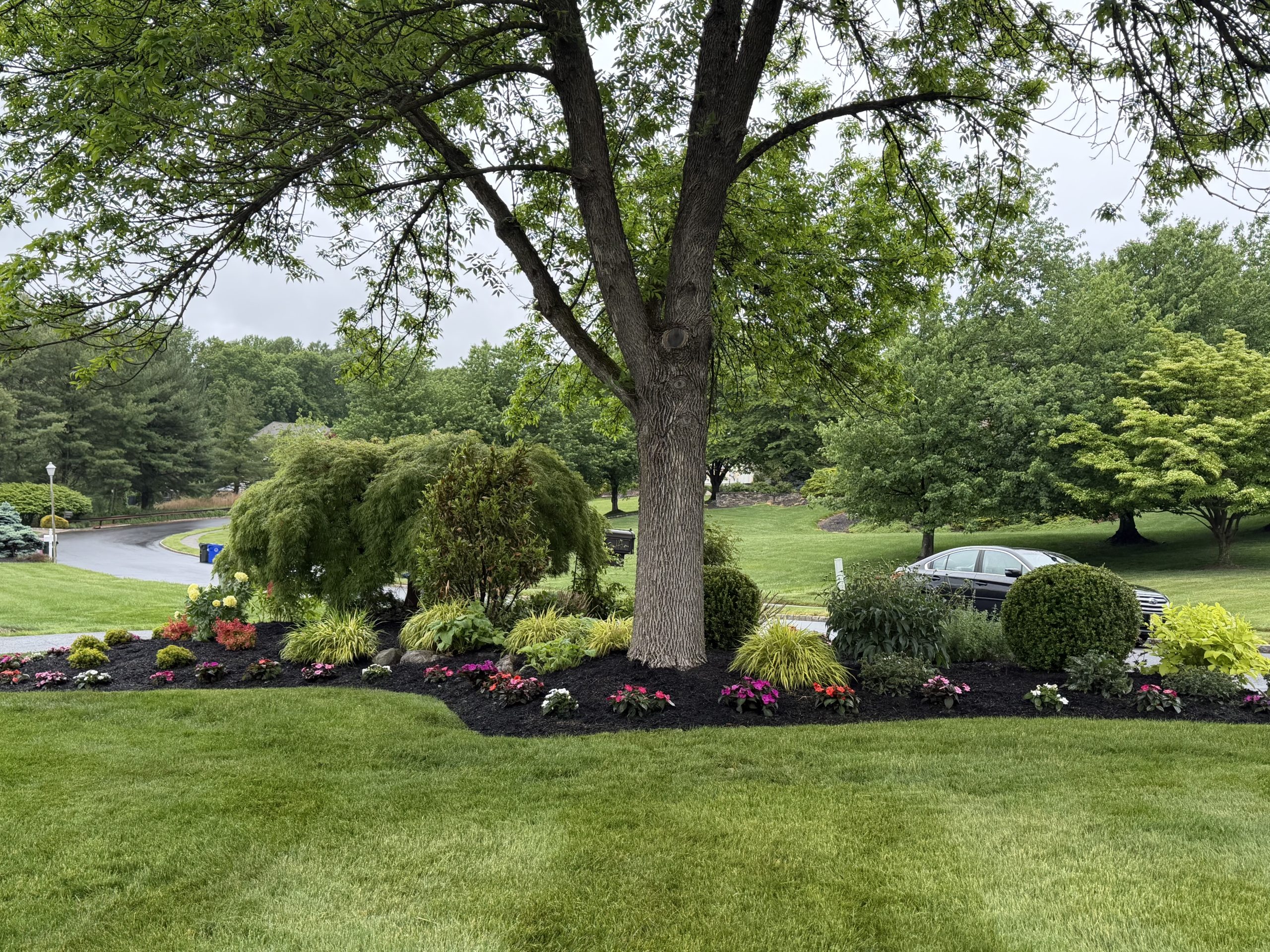
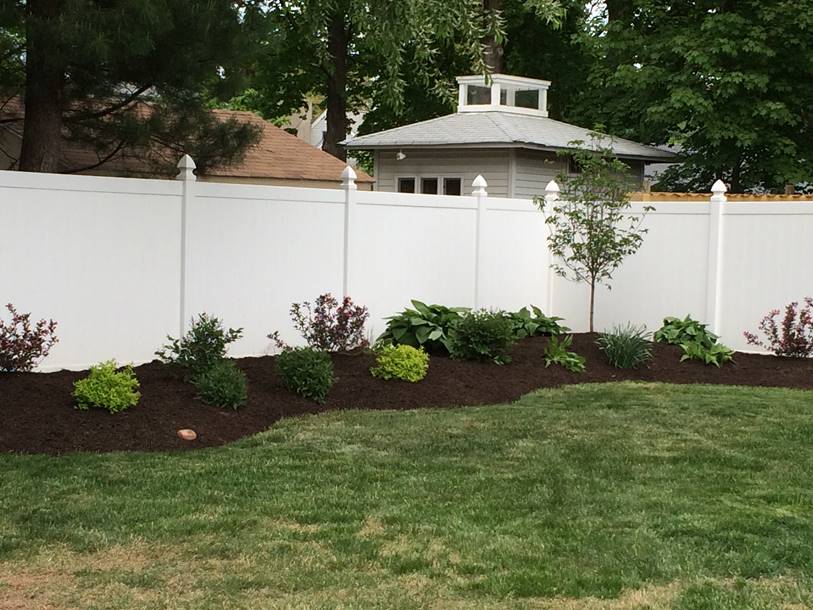

A healthy landscape rarely happens by accident. When plants thrive year after year, it is usually because someone paid attention to the quiet details: how water moves through the soil, how sun shifts across the yard in July, where mulch is piled too deeply, which shrub is trying to outgrow its space, and which tree is stressed long before the leaves show it. Good landscape maintenance is less about constant intervention and more about timely, informed care.
The difference matters. Plants that receive proper maintenance do not just look better for a season. They establish deeper roots, resist pests more effectively, recover from weather stress faster, and live closer to their natural lifespan. That translates into lower replacement costs, a more stable design, and a landscape that gains character instead of slowly unraveling.
One of the most common frustrations property owners face is losing expensive plants that seemed fine at planting time. In many cases, the problem is not the plant itself. It is the care that follows. A newly planted tree can decline because the root flare is buried under mulch. A hedge can thin out because it is sheared at the wrong time each year. Perennials can rot because irrigation is set for turf, not planting beds. These are ordinary maintenance mistakes, and they are fixable once you know what to watch.
Start with the soil, not the leaves
People naturally focus on what they can see. Brown tips, yellowing leaves, sparse flowering, and patchy growth get attention first. But many plant problems begin below ground. If the soil stays compacted, drains poorly, or swings between drought and saturation, no amount of pruning or fertilizer will fully solve the issue.
Healthy soil gives roots access to oxygen, water, and nutrients in the right balance. In established landscapes, compaction is especially common near walkways, patios, and lawn edges where foot traffic and equipment pass repeatedly. You can often spot it in the plants before you ever test the ground. Growth slows, foliage looks dull, and the plant seems to stall despite regular watering.
Organic matter helps, but the method matters. Topdressing beds with compost can improve soil over time without disturbing roots. Aggressive tilling around established shrubs and trees usually creates more problems than it solves. In clay-heavy soils, patience and repeated light improvements tend to outperform one major intervention. In sandy soils, the challenge is often the opposite. Water and nutrients move through too quickly, so mulching and steady feeding become more important.
If a bed repeatedly struggles, it is worth asking whether the site and the plant are truly compatible. Some maintenance issues are actually plant selection issues in disguise. A sun-loving shrub in dappled shade will never perform like it should. A moisture-sensitive perennial planted in a low, wet corner will always be vulnerable. Extending plant life sometimes means acknowledging that the right care includes relocating or replacing a poor fit.
Water deeply, but not blindly
Watering is probably the most misunderstood part of landscape maintenance. People tend to overwater shallowly or underwater inconsistently. Neither helps roots. Most established plants benefit more from deep, less frequent watering than from daily surface moisture. Shallow irrigation encourages roots to stay near the top of the soil, where temperatures fluctuate more and drought stress arrives quickly.
That said, there is no universal schedule that works for every property. Climate, soil type, slope, mulch depth, sun exposure, and plant age all affect water needs. A new tree in its first two years requires more careful monitoring than a mature tree nearby. A container planting can dry out in a day during high heat, while an established shrub bed may hold moisture for several days after a soaking rain.
One of the best habits is to check moisture below the surface before watering. Dig down a few inches with a trowel or use a soil probe. The top layer may look dry while the root zone is still adequately moist. The reverse can also happen with heavy clay soils that look damp on top but are dry and hard below.
Irrigation systems add convenience, but they can also create complacency. Sprinklers often overserve lawns and underserve planting beds. Drip systems are more efficient for many shrubs, trees, and perennials, but emitters need regular checks. I have seen mature shrubs decline simply because one clogged emitter went unnoticed through a hot stretch. The owner assumed the irrigation was handling everything. It was not.
Watch for these signs that watering practices need adjustment:
- Leaves wilt in the afternoon and fail to recover by evening, which often signals true moisture stress.
- Yellowing leaves combined with soft growth and sour-smelling soil, which may point to overwatering.
- Surface roots appearing around trees and shrubs, often a sign of shallow watering.
- Mulch that stays constantly wet beneath the surface, which can lead to crown and root problems.
- Uneven growth within the same bed, suggesting irrigation coverage is inconsistent.
Season matters as much as volume. Plants use water differently in cool spring weather than they do in midsummer. During prolonged heat, a weekly deep soak may be more useful than several brief cycles. In rainy periods, it is smart to override automatic schedules rather than letting systems run out of habit.
Mulch is helpful until it is excessive
Mulch is one of the most beneficial tools in landscape maintenance when used correctly. It moderates soil temperature, suppresses weeds, reduces evaporation, and gradually contributes organic matter as it breaks down. But too much mulch causes problems that can shorten plant life instead of extending it.
A moderate layer, often around two to three inches for most beds, is usually enough. More than that can trap excessive moisture, reduce oxygen exchange, and encourage roots to grow into the mulch layer rather than into the soil. Around trees, the biggest mistake is piling mulch against the trunk. The so-called mulch volcano remains incredibly common, and it is one of the easiest ways to stress or slowly damage a tree.
Tree trunks need air around the root flare, the area where the trunk widens at the base. When mulch covers that flare, bark stays damp, decay becomes more likely, and pests may find shelter. Over time, girdling roots can develop and compromise the tree’s long-term stability and health. Correcting this does not require a specialist in every case, but it does require care. Pull mulch back gently until the root flare is visible and keep it clear.
Mulch selection matters too. Fine-textured mulches knit together and stay in place well, but they can become dense if laid too thickly. Coarse bark allows more airflow but may shift on slopes. Decorative stone has its uses in certain designs, especially around drought-tolerant plants, but it stores heat and can make root zones harsher in exposed sites. Organic mulches generally provide broader benefits for mixed ornamental beds.
Pruning with purpose, not impulse
Pruning extends plant life when it improves structure, removes dead or diseased wood, and reduces stress on the plant. It shortens plant life when it is done too often, too severely, or at the wrong time.
Many shrubs suffer from habitual shearing. This creates a neat outer shell, but it often blocks light from reaching the interior. Over time, the outside stays green while the inside becomes woody and bare. That weak structure is more vulnerable to storm damage and harder to restore. Selective thinning and directional pruning usually produce healthier results, even if they require more judgment than quick shearing.
Timing is another major factor. Spring-flowering shrubs such as lilac, forsythia, and some hydrangeas set buds well before bloom. Prune them too late, and you remove next season’s flowers. Summer bloomers often tolerate later pruning, but even then, heavy cuts during heat or drought can increase stress. Trees should be pruned with an eye toward both biology and safety. Dead, cracked, rubbing, or poorly attached branches should be addressed, but routine topping is almost never appropriate. It disfigures the tree, invites decay, and triggers weak regrowth.
A useful rule is that pruning should answer a specific question. Are you removing a hazard, improving air circulation, shaping young growth, or correcting damage? If the answer is simply that the plant looks a little untidy, restraint may be the better choice. Not every stray stem is a problem.
I once walked a residential property where a row of boxwoods had been clipped into rigid squares every few weeks through the growing season. They looked crisp from the driveway, but when you parted the exterior growth, the interior was almost leafless. A few years later, one harsh winter exposed the damage. Large sections never filled back in because there was so little healthy growth inside the shell. A lighter hand over the years would have produced a fuller, longer-lived hedge.
Feed plants based on need, not routine
Fertilizer is often treated like insurance. People apply it because they assume more nutrients must mean stronger plants. In reality, unnecessary feeding can create weak, overly lush growth, increase pest pressure, and contribute to nutrient runoff. Plants need balanced conditions more than they need constant feeding.
A soil test gives the clearest picture, especially when recurring issues appear in the same area. Without one, broad fertilizer applications become guesswork. Many established trees and shrubs in decent soil need far less feeding than annual flower displays or intensively managed turf. If growth is appropriate, leaf color is normal, and the plant is flowering or fruiting as expected, adding fertilizer may not improve anything.
When feeding is justified, slow-release products and compost-based amendments tend to support steadier growth than quick bursts of soluble nutrients. Timing also matters. Pushing tender new growth late in the season can leave plants more vulnerable to cold injury. Conversely, plants emerging from winter or entering an active growth phase may benefit from a targeted application if soil conditions warrant it.
Nutrient problems are sometimes symptoms rather than causes. Chlorosis, for example, may reflect drainage issues, root damage, or improper soil pH instead of a simple lack of fertilizer. Throwing nutrients at the problem can delay the real solution.
Weeds compete harder than most people think
Weeds do more than spoil the look of a bed. They compete for water, light, and nutrients, and in dense patches they reduce airflow around desirable plants. Some also host insects or diseases that can spread into ornamentals. Left unchecked, weeds create stress that weakens young or shallow-rooted plants first.
The easiest weeds to manage are the ones you catch early. Once perennial weeds establish deep roots or annual weeds go to seed, the workload rises sharply. Hand pulling after rain works well for many species because the soil releases roots more cleanly. In larger areas, shallow cultivation can help, but chopping too deeply damages the roots of nearby ornamentals and often brings more weed seeds to the surface.
Prevention carries more weight than reaction. Dense planting, proper spacing, and a maintained mulch layer all reduce open ground where weeds germinate. That said, avoid crowding plants so https://griffinbwhl265.bearsfanteamshop.com/landscape-maintenance-strategies-that-keep-properties-looking-professional tightly that air circulation collapses. Good landscape maintenance is often about balancing competing goals rather than maximizing one benefit at all costs.
Watch the calendar, but pay attention to the weather
Seasonal routines are useful, but rigid calendars fail when weather patterns shift. A cool, wet spring delays growth and changes disease pressure. A warm winter can encourage early budding, followed by frost damage. A long dry autumn may require more watering than many people expect, especially for evergreens going into winter.
It helps to think in terms of seasonal priorities rather than fixed dates:
- Spring is the time to inspect winter damage, refresh mulch if needed, correct irrigation issues, and prune selectively based on bloom habit.
- Summer calls for moisture management, weed control, pest monitoring, and restraint with heavy pruning during heat stress.
- Fall is ideal for deep watering, especially for trees and shrubs, along with cleanup that reduces disease carryover.
- Winter is when structure is easiest to assess, and in many regions it is a good time for certain tree work while plants are dormant.
Even these priorities need interpretation. Fall cleanup, for instance, should not mean stripping every bed bare. Some perennial stems protect crowns over winter, and some seedheads provide habitat and visual interest. On the other hand, diseased foliage from plants prone to fungal problems should often be removed rather than left in place. Experience teaches where to be tidy and where to leave well enough alone.
Pest and disease problems usually start small
Serious infestations rarely appear overnight. More often, the early signs go unnoticed. A few stippled leaves, minor webbing, a canker on one branch, or subtle dieback in the upper canopy may not look urgent, but early intervention is where plant life is most often preserved.
Regular observation matters more than technical complexity. Walk the property slowly. Look at the undersides of leaves. Notice whether one side of a shrub is thinner than the other. Check whether new growth is smaller than normal. Compare this year’s performance to the plant’s own history, not just to neighboring plants.
Not every insect requires treatment. Some feeding is cosmetic, and beneficial insects are part of a healthy landscape. The goal is not sterility. It is balance. Broad-spectrum treatments used too casually can wipe out predators and pollinators along with pests, making future outbreaks worse. Cultural corrections, better spacing, improved airflow, proper watering, and sanitation often solve or reduce disease pressure without heavy chemical reliance.
One practical example is powdery mildew on susceptible shrubs and perennials. Fungicides have a place in some settings, but crowded plantings, low airflow, and overhead evening irrigation are often the bigger drivers. If those conditions remain unchanged, treatment becomes a treadmill.
Protect roots during everyday work
A surprising number of plants decline because of maintenance activities that seem unrelated. String trimmers nick bark at the base of young trees. Lawn equipment compacts soil over root zones. Contractors trench through feeder roots to install lighting or drainage. Deicing salts wash into planting beds near driveways and sidewalks. These small injuries add up.
Tree roots, in particular, occupy a much larger area than most people realize. The critical zone is not just near the trunk. It often extends well beyond the branch spread. Repeated disturbance in that area can reduce vigor slowly enough that the cause is easy to miss. By the time canopy thinning becomes obvious, the damage may already be extensive.
Simple protective measures go a long way. Expand mulch rings around trees to reduce mower contact. Keep heavy equipment off saturated soil. Mark root zones before any digging project begins. In cold regions, choose deicing practices carefully and flush salt-exposed beds when conditions allow. Plant longevity often depends on preventing routine damage rather than treating spectacular failures.
Know when to divide, thin, or replace
Some plants decline because they have simply outgrown their ideal density. Perennials may become crowded in the center and flower less vigorously. Ornamental grasses can form dense clumps with dead interiors. Groundcovers may thicken to the point where airflow drops and disease rises. In those cases, dividing or thinning restores vigor.
Shrubs and trees present a more complicated judgment. Sometimes a badly placed plant can be pruned into submission for years, but not without cost. Repeated hard pruning drains energy and often ruins natural form. If a shrub wants to be eight feet wide and the bed allows four, replacement with a better-scaled species is often the smarter long-term maintenance choice. The same is true for plants that are chronically mismatched to light, moisture, or cold exposure.
There is no shame in replacement when the original decision no longer serves the site. Landscapes evolve. Nearby trees mature and cast more shade. Drainage changes after construction. Family use patterns shift. Professional landscape maintenance includes adjusting to those realities instead of trying to force every planting to remain static.
Small, consistent care beats heroic rescue
People often imagine plant care in dramatic terms, reviving a failing tree, saving a prized shrub after a harsh winter, or replacing an entire bed after a pest outbreak. Those moments happen, but the longer life of most plants is built through less glamorous habits. A bed is checked after heavy rain. A clogged drip line is fixed before stress sets in. Mulch is pulled back from trunks. A disease-prone perennial is thinned before humidity peaks. A shrub is pruned properly while problems are still minor.
That steady attention is what gives landscapes resilience. Plants cannot control heat waves, late frosts, compacted subsoil from old construction, or a season of erratic rainfall. What they can respond to is thoughtful maintenance that reduces stress where possible and catches trouble early.
The best landscapes I have seen over time are not always the newest or the most expensive. They are the ones managed with patience and judgment. Their trees have room at the base, not volcanoes of mulch. Their shrubs are shaped by selective pruning, not constant clipping. Their irrigation reflects the needs of plants rather than a timer set and forgotten. Their owners or caretakers notice subtle changes and act before small issues become expensive losses.
If the goal is to extend the life of your plants, think beyond appearances. Focus on root health, water wisely, prune with intention, feed only when necessary, and protect the growing conditions that keep plants strong. That is the real work of landscape maintenance, and it is what turns a planted space into a durable one.
Majestic Mowing & Landscaping LLC
Phone number: +19733975532
FAQ About Landscape Maintenance
What is landscape maintenance?
Landscape maintenance is the ongoing care, cleaning, and upkeep of outdoor green spaces to keep them healthy, safe, and attractive.
Is $100 an hour too much for landscape work?
An hourly rate of $100 is not too much for specialized or professional landscape work, though it sits at the higher end of the standard pricing spectrum.
How much do landscapers charge for maintenance?
For professional landscaping maintenance, homeowners typically pay $100 to $410 per month for recurring services, or an hourly labor rate of $50 to $100 per hour per crew member.