Landscape Maintenance and Lawn Care: What’s the Difference?
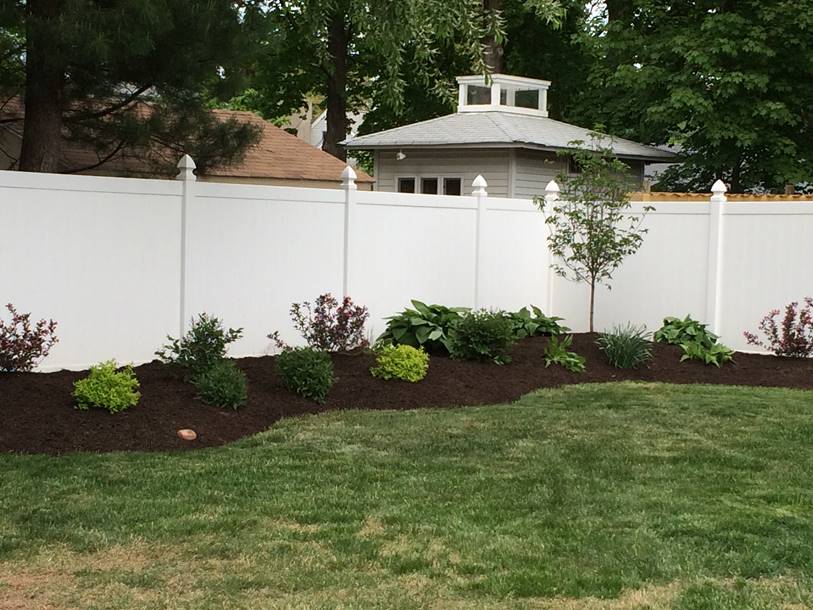

People often use lawn care and Landscape Maintenance as if they mean the same thing. In everyday conversation, that is understandable. If a crew shows up every week, mows the grass, trims around beds, and leaves the place looking better than it did an hour earlier, most property owners assume the whole job falls under one label.
On the ground, the difference matters.
If you are hiring help for a home, managing a commercial property, or trying to bid work accurately as a contractor, confusing the two can lead to the wrong service plan, unrealistic expectations, and a budget that never quite matches the property’s needs. A lawn can look decent while the rest of the landscape slowly declines. The opposite can also happen. You can have well-designed beds and healthy shrubs, but if the turf is thin, weedy, or scalped every week, the property still looks neglected.
The shortest way to put it is this: lawn care focuses on the health and appearance of turf, while landscape maintenance covers the broader upkeep of the entire outdoor space. That sounds simple enough, but in practice there is a lot of overlap, and that is where people get tripped up.
The real distinction starts with scope
Lawn care is a specialized service centered on grass. It deals with what turf needs to stay dense, green, and resilient. That usually includes mowing, edging, fertilization, weed control, aeration, overseeding, insect or disease monitoring, and irrigation adjustments that support turf health.
Landscape maintenance is wider. It includes lawn care in some cases, but it also covers planting beds, shrubs, hedges, trees, seasonal color, mulch, irrigation checks, debris removal, pruning, and the general condition of the site. On a commercial property, it may also include keeping entrances clean, managing sightlines near signs and walkways, and maintaining a polished appearance year-round.
A useful way to think about it is that lawn care asks, “How is the grass doing?” Landscape maintenance asks, “How is the property performing and presenting as a whole?”
That difference shows up fast when you walk a site with a client. A homeowner may point to brown patches in the backyard and ask for lawn care. Fair enough. But if the front bed is overrun with weeds, the shrubs are crowding the windows, the tree rings have no mulch, and the irrigation sprays are drenching the sidewalk, the property does not just need grass help. It needs maintenance across the landscape.
What lawn care usually includes
Lawn care tends to be more agronomic than people realize. Good turf management is not just mowing on a schedule. It is understanding growth patterns, soil compaction, drainage, turf species, and seasonal timing.
A lawn care program often revolves around a calendar. In cool-season regions, spring and fall tend to be the heavy lifting months for fertilization, aeration, and overseeding. In warm-season regions, the timing shifts, and turf responds differently to heat, drought, and nutrient applications. The same property can require a different approach depending on whether the lawn is fescue, bluegrass, Bermuda, zoysia, or St. Augustine.
That is one reason one-size-fits-all lawn packages often disappoint. Grass is living plant material, and turf health is tied to local conditions. Shade from mature oaks changes things. Foot traffic from kids or pets changes things. Clay soil, poor drainage, summer fungus pressure, irrigation coverage, all of it matters.
A lawn care technician may spend less time shaping the visual design of the property and more time diagnosing why turf is struggling. If a section near the driveway is always weak, the issue might be reflected heat, compacted soil, salt exposure in winter, or mower stress from repeated tight turns. Fixing that requires more than making the lawn shorter and hoping for the best.
What landscape maintenance usually includes
Landscape maintenance deals with the full outdoor environment. Turf is just one component.
On a typical residential property, that may mean keeping shrub beds clean, pruning plant material at the right time of year, refreshing mulch, removing storm debris, monitoring irrigation, replacing seasonal flowers, controlling weeds in hardscape joints, and keeping the overall look cohesive. On larger sites, it can also mean managing plantings so they do not block signage, lighting, or pedestrian paths.
This is where experience matters. A landscape can be technically “maintained” and still be managed poorly. I have seen shrubs sheared into tight boxes month after month until the interiors turned woody and thin. I have seen crape myrtles butchered every winter because someone thought severe topping was maintenance. I have seen fresh mulch piled against trunks in little volcanoes, which looks neat to some clients for about two weeks and then creates real long-term problems.
Proper Landscape Maintenance is not only about making a site look freshly serviced. It is about preserving plant health, function, and appearance over time.
That means judgment. Some plants should be pruned right after flowering. Others are better left almost entirely alone except for deadwood removal. Some beds benefit from a clean seasonal cutback. Others look better and perform better if they are allowed a more natural habit. Maintenance is not a blunt instrument. It is a series of informed decisions repeated consistently.
Why the confusion happens
Part of the confusion comes from how service companies market themselves. Many businesses use broad terms because clients are searching for convenience, not taxonomy. A company may advertise lawn care when it mainly offers mowing and fertilizer applications. Another may advertise landscape maintenance but subcontract turf treatments. A third may do excellent mowing and bed care but little actual horticultural work.
Property owners also tend to judge by what they can immediately see. If the grass was cut and the edges look crisp, it feels like maintenance happened. That visual result is important, but it can hide deeper issues. You can mow a stressed lawn every week and still never address compaction, poor fertility, or irrigation gaps. You can weed a bed and make it tidy without improving the overgrown shrubs that are swallowing the front entry.
There is also a pricing issue. Lawn care is often sold as a recurring, narrowly defined service. Landscape maintenance is broader and can be harder to price cleanly unless the scope is very clear. When a proposal just says “full maintenance,” disagreements are almost guaranteed. One client imagines seasonal flower rotations and detailed pruning. The contractor may only be pricing mowing, blowing, and occasional bed cleanup.
A side-by-side comparison that clears it up
The difference becomes easier to grasp when you compare the focus of each service directly.
| Area | Lawn Care | Landscape Maintenance | |---|---|---| | Primary focus | Turf health and appearance | Overall property appearance and plant upkeep | | Typical tasks | Mowing, fertilization, weed control, aeration, overseeding | Bed maintenance, pruning, mulching, debris cleanup, irrigation checks, plus sometimes turf work | | Required expertise | Turf science, soil health, seasonal grass management | Horticulture, pruning practices, site presentation, plant health across many species | | Visual outcome | Better grass quality and cleaner lawn edges | A balanced, cared-for landscape across lawn, beds, shrubs, and common areas | | Common mistake | Treating mowing as complete lawn care | Treating cosmetic cleanup as complete maintenance |
This is also why some of the best companies separate crews and skill sets. The person who knows exactly when to apply pre-emergent herbicide is not always the same person who should be selectively pruning ornamental shrubs or evaluating a struggling hydrangea bed. Those are related disciplines, but they are not identical.
Mowing is not the same as lawn care
This point deserves its own section because it is one of the most common misconceptions in the field.
A mowing service cuts grass. Lawn care improves grass.
Sometimes the same company does both, but the work itself is different. Mowing is repetitive and visible. Lawn care is strategic and often less dramatic in the moment. You may not notice the benefit of aeration and overseeding for weeks. You may not appreciate correct fertilization timing until a lawn comes through summer stress stronger than it used to.
I have walked properties where owners were frustrated that their “lawn care” was not working, only to learn they were paying for weekly mowing and little else. The turf had never been aerated in years. The weeds had not been treated properly. The mower blades were dull. In one case, the crew was cutting cool-season grass too short through a hot spell, which only increased stress and weed pressure. The client assumed the lawn was receiving care because it was receiving service.
That distinction alone can save people a lot of money and disappointment.
Landscape maintenance includes presentation, but it should also protect the investment
Most landscapes are not cheap to install. Mature shrubs, ornamental trees, hardscape borders, drip irrigation, lighting, soil amendments, and seasonal plantings add up quickly. Once that investment is in the ground, maintenance becomes the difference between steady value and slow decline.
A healthy, well-maintained landscape does several jobs at once. It supports curb appeal, helps property values, frames the architecture of the home or building, and reduces the need for expensive corrective work later. Neglect tends to be cumulative. Shrubs get leggy. Beds lose definition. Trees start rubbing roofs or blocking fixtures. Weeds seed out. Irrigation heads clog or shift. What would have been a simple seasonal adjustment becomes a restoration project.
That is especially true on commercial sites. A retail center or office complex does not need a botanical garden, but it does need consistency. Neat entrances, clear sightlines, healthy turf, controlled growth near signs and curbs, and beds that look intentional rather than abandoned, those details shape how tenants, customers, and visitors judge the property.
A good landscape maintenance program protects function as much as beauty.
Where the overlap gets blurry
Some companies bundle services, and that is often practical. A residential client may want one provider to mow, fertilize, trim shrubs, refresh mulch, and check irrigation. There is nothing wrong with that. In fact, having one company manage the full site can improve accountability if they are organized and competent.
Still, bundled service only works when the scope is spelled out. Otherwise, “maintenance” turns into a vague promise. One homeowner expects hedge shaping twice a month. Another assumes winter cutbacks are included. A property manager may think seasonal flower replacement is part of the contract because it was done the first year as a courtesy.
The fix is not complicated. Put the details in writing. Define visit frequency, seasonal tasks, what is included in the base contract, and what triggers extra charges. The healthier the communication, the better the relationship.
Which service do you actually need?
That depends on the condition of the property and what you are trying to improve.
If your lawn is the main problem, maybe it is thin, weedy, patchy, or chronically stressed, then focused lawn care is probably the right starting point. If your grass is acceptable but the whole yard looks tired because beds are messy, shrubs are outgrowing the space, and the property lacks seasonal attention, then Landscape Maintenance is likely the larger need.
Often, the honest answer is both.
A property with mature landscaping and a visible front lawn usually benefits from an integrated plan. Turf health affects the visual impact of the space, but the non-turf areas create the frame. You notice when either side is neglected. Crisp stripes in the lawn do not rescue dead annuals by the front entry. Beautiful shrub beds do not distract from broadleaf weeds taking over the turf.
Here is a quick way to identify the better fit:
- Choose lawn care when the main issues are turf density, color, weeds, bare spots, or soil compaction.
- Choose landscape maintenance when the larger concerns involve shrubs, beds, edging, pruning, mulch, irrigation oversight, and total site appearance.
- Choose both when the property has visible needs in turf and plantings, which is common on established residential and commercial sites.
- Ask for a site walk if you are unsure, because a ten-minute walk usually reveals the true scope faster than a phone call.
- Request a written service outline so you know exactly what will happen monthly, seasonally, and only as needed.
That last point matters more than people think. A clear scope prevents frustration on both sides.
The budget conversation most people avoid
Budget tends to push clients toward the cheapest visible service first, usually mowing. That choice makes sense in the short term because mowing creates instant visual improvement. But if the long-term need is broader maintenance, saving money up front can cost more later.
For example, skipping regular bed maintenance may allow weeds to establish, ornamental grasses to collapse into neighboring plants, and shrubs to need harsher corrective pruning instead of light shaping. Ignoring turf health may lead to such thin coverage that you end up paying for significant renovation rather than annual aeration and overseeding.
The better approach is to match spending to the property’s priorities. A home on a large corner lot may need a stronger lawn care program because turf dominates the visual field. A custom home with foundation plantings, specimen trees, and seasonal containers may justify more budget toward Landscape Maintenance because the design relies on layered planting detail. Commercial sites usually need consistency and risk reduction more than perfection. There is no universal formula.
One practical rule holds up well: if a task affects plant health, safety, or expensive replacement costs, do not treat it as optional for too long.
Questions worth asking before you hire a company
Plenty of disappointment in this industry starts with assumptions that nobody corrected early. The right questions expose whether a provider really understands turf, understands landscapes, or is mainly selling a route-based mowing service with a broader label.
Ask what is included in a normal visit. Ask who handles fertilization and weed control. Ask whether pruning is selective or just shearing. Ask how irrigation issues are reported. Ask what seasonal services are expected and what is billed separately. Ask how they handle properties with disease pressure, drainage problems, or shade-related turf decline.
Also pay attention to how they talk during a site walk. Experienced professionals notice details quickly. They mention mower access, turf species, overgrown spacing, bed depth, branch structure, drainage flow, and sightline concerns. They do not need to sound theatrical. In fact, the better operators are usually pretty direct. They have seen the same avoidable problems hundreds of times, and they know what neglect looks like six months before a client notices it.
Good maintenance is proactive, not reactive
This is where the best service providers separate themselves from the rest.
Reactive service waits for complaints. Proactive service sees issues while they are still cheap and simple. A proactive lawn care technician notices when a sprinkler head is missing and a dry ring starts forming around it. A proactive landscape maintenance crew flags a shrub that is about to outgrow a walkway before it starts scraping people’s legs. A proactive account manager suggests adjusting a pruning schedule because the current timing is reducing flowering.
That kind of attention does not always show up as a flashy before-and-after photo. It shows up as steadiness. The property looks consistently cared for. Problems do not snowball. Plants stay within scale. Turf recovers better from stress. You spend less time reacting to preventable decline.
For owners and managers, that is the real value.
The bottom line for property owners
Lawn care and landscape maintenance belong to the same world, but they are not interchangeable. Lawn care is about turf. Landscape maintenance is about the whole site.
If your goal is a healthier lawn, ask for turf-specific services and a plan built around your grass type, soil, and season. If your goal is a polished, functioning property that looks cared for from curb to foundation bed, ask for broader Landscape Maintenance with a clearly defined scope. If you need both, say so early and ask how the company separates routine appearance work from specialized plant and turf care.
Properties rarely decline all at once. They drift. A lawn thins here, a bed gets weedy there, shrubs swell past their intended size, irrigation slips out of alignment, and suddenly the yard or site feels tired even if money has been spent on it all year. Understanding the difference between lawn care and landscape maintenance is how you stop that drift before https://travisgrmz664.novacrestiq.com/posts/landscape-maintenance-for-outdoor-spaces-that-stand-out it becomes expensive.
That clarity helps everyone. The client gets the right service. The contractor prices the right work. The landscape gets what it actually needs.
Majestic Mowing & Landscaping LLC
Phone number: +19733975532
FAQ About Landscape Maintenance
What is landscape maintenance?
Landscape maintenance is the ongoing care, cleaning, and upkeep of outdoor green spaces to keep them healthy, safe, and attractive.
Is $100 an hour too much for landscape work?
An hourly rate of $100 is not too much for specialized or professional landscape work, though it sits at the higher end of the standard pricing spectrum.
How much do landscapers charge for maintenance?
For professional landscaping maintenance, homeowners typically pay $100 to $410 per month for recurring services, or an hourly labor rate of $50 to $100 per hour per crew member.